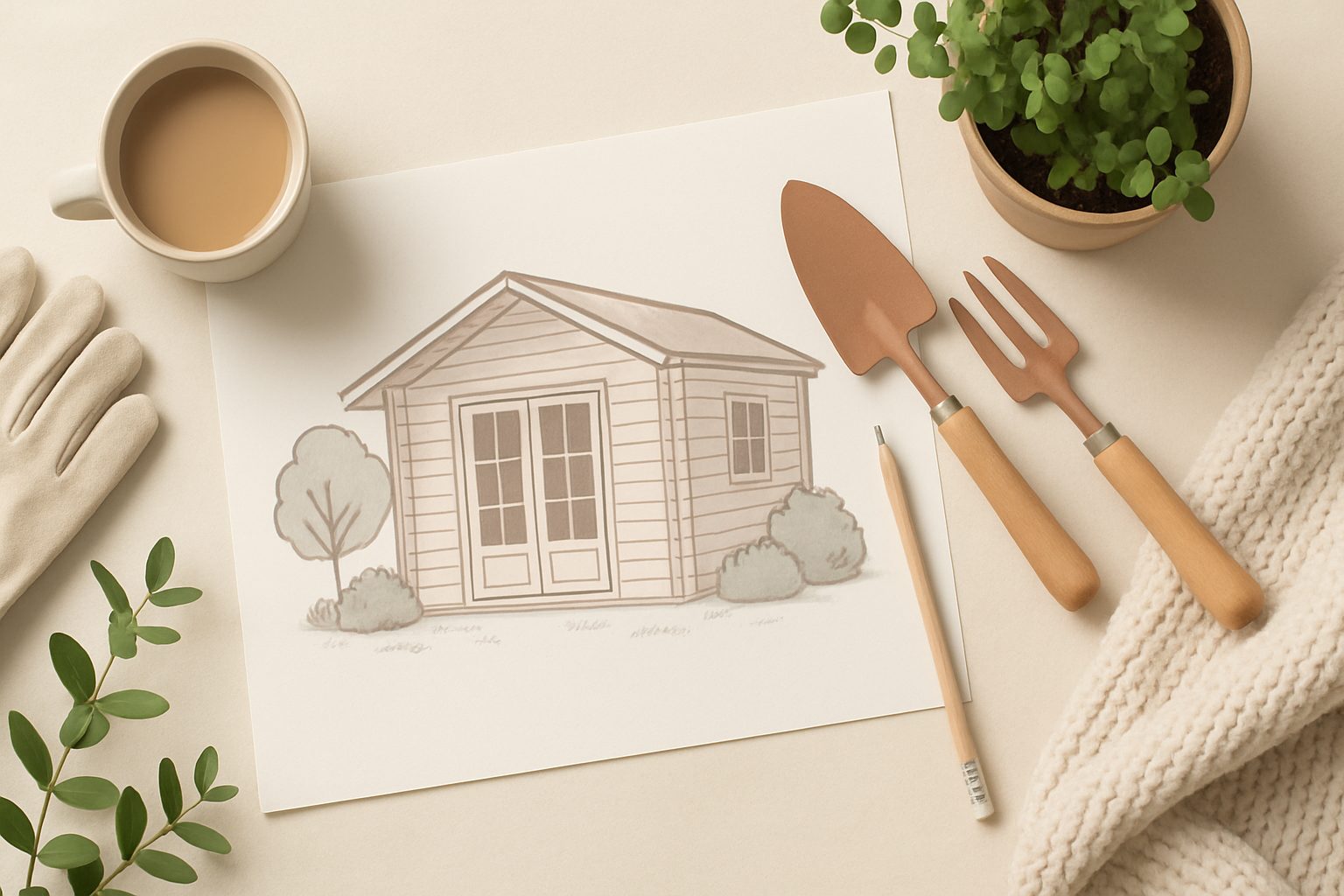
Best Garden Log Cabins for Home Office Use UK 2025
More people are working from home than ever, and a dedicated log cabin in your garden offers a proper office space without the cost of an extension or the noise of sharing your house. The key is choosing a cabin built to withstand year-round use—not a summer retreat, but a serious work environment.
Why a Log Cabin Works Better Than a Shed
A standard garden shed is poorly insulated and struggles with temperature swings. A purpose-built log cabin, by contrast, uses solid timber walls that provide natural thermal mass. Wood absorbs and releases moisture slowly, which keeps the interior climate more stable than metal or plastic structures. You won't be fighting condensation or overheating in summer the way you would in a painted box.
The downside: you're paying more upfront, and timber requires maintenance. A good cabin will be treated, but annual checks for water ingress and protective coating touch-ups are realistic.
Minimum Specifications You Need
Wall thickness: Look for 44mm or thicker. Thinner walls (30mm or less) offer little real insulation; you'll run expensive heaters or air conditioning. 44–50mm is the practical sweet spot for most of the UK. Northern regions benefit from 60mm+, but costs rise sharply.
Double glazing: Non-negotiable. Single-pane windows leak heat and let in summer sun uncontrolled. Double glazing cuts heating costs significantly and improves noise isolation—important if you're on calls or need concentration.
Floor: Insulated timber floors or concrete bases with a moisture barrier. A cold floor makes the whole cabin feel damp. Concrete bases should be at least 100mm and sealed.
Roof: Pitched roofs shed water better than flat ones and allow ventilation between the roof and inner lining. Look for roofing felt plus shingles or corrugated panels, not just tar covering.
Minimum footprint: 3×3 metres gives you a small but functional office—desk, chair, storage, room to move. Smaller and you're genuinely cramped; larger (4×3m, 4×4m) costs more but gives breathing room and space for a filing cabinet or shelving without it feeling claustrophobic.
Power and Connectivity
This is where many people stumble. A log cabin sitting 20 metres from your house needs proper electrical supply. Standard garden circuits (socket runs on extension cable) are not reliable for year-round office work.
The proper approach: Run armoured underground cable from your house fusebox to a dedicated small distribution board in the cabin, or install a hardwired outdoor circuit. This costs £400–£1,200 depending on distance and your electrician. It's not cheap, but it's safe and professional.
Inside the cabin: Plan for at least two double sockets on separate circuits. One circuit for equipment (computer, monitor, printer), one for heating or fans. Avoid overloading a single 13A outlet.
Broadband: Check WiFi strength in your garden first. If the signal is weak, a mesh WiFi system (placed halfway between house and cabin) or an outdoor access point works. Some people run Ethernet cable in the same armoured conduit as power—more reliable than WiFi for video calls.
Heating and Cooling
Winter is the real test. A 3×3m cabin with proper insulation needs roughly 2–4kW of heating to stay at 18°C on a cold day, depending on wall thickness and local weather.
Electric heaters: Convenient and instant, but expensive to run (around £0.25–£0.35 per kWh). A 2kW heater running 8 hours daily costs roughly £50–£70 monthly in winter.
Wood burner: Cheaper to run, cosier, but requires chimney work, regular cleaning, and dry fuel storage. Initial cost is £800–£2,000 fitted. Some planning authorities ask for notification.
Heat pump: Costly upfront (£3,000–£5,000) but the most efficient option for year-round comfort. Worth considering if you're planning 5+ years of use.
Cooling: in summer, opening windows and a small pedestal fan usually suffice. If you're hotter-natured, a portable air-conditioning unit (around £300) is a cheaper option than a heat pump, though less elegant.
Office Setup and Furniture
The cabin itself is the foundation, but furniture matters hugely for productivity.
Desk: A corner desk (1.2m × 0.6m) or L-shaped desk maximises a 3×3m space without dominating it. Hardwood or quality plywood (not chipboard) lasts longer in the humidity. Budget £200–£500 for something sturdy.
Chair: Spend properly here. A cheap chair causes back pain and poor posture. A mid-range office chair from retailers like Screwfix or Amazon UK (£150–£300) is a worthwhile investment if you're spending 7+ hours daily.
Storage: Wall-mounted shelving avoids clutter and keeps the floor clear. Metal frame shelving handles humidity better than chipboard and costs £50–£150 per unit.
Cable management: Even a small office becomes a cable nightmare quickly. Clip channels, cable trays, and desk grommets (£15–£50 total) keep things tidy and reduce tripping hazards.
Lighting: A cabin's small windows mean artificial light is essential year-round. A desk lamp (LED, adjustable) and a ceiling flush-fit or pendant light (also LED) cost £80–£150 together and beat gloomy afternoons.
Cost and Value
A good 3×3m insulated log cabin costs £3,000–£6,500 delivered and base-ready. Installation (base, assembly, electrics) adds £1,500–£3,500. Office furniture and fittings (desk, chair, shelving, lighting) add another £800–£1,500.
Total realistic spend: £5,500–£11,500 for a year-round working office. That's less than extending your house but more than a shed, and the space is genuinely usable.
The Reality Check
A log cabin isn't maintenance-free. Annual timber treatment, gutter cleaning, and checking for drafts are normal. In wet winters, ventilation matters—a small extractor fan (£50–£100) prevents moisture buildup.
But if you work from home full-time, a proper log cabin pays for itself in focus, productivity, and separating work from home life. The key is buying one built to withstand real use, not one designed for summer entertaining.
More options
- Garden Log Cabin Kits (Amazon UK – smaller summer houses & cabin kits) (Amazon UK)
- Log Cabin Wood Treatment & Preservative Paint (Amazon UK) (Amazon UK)
- Roofing Felt & Bitumen Shingles for Log Cabins (Amazon UK) (Amazon UK)
- Plastic Eco Base Grid for Log Cabin (Amazon UK) (Amazon UK)
- Dunster House / BillyOh / Tiger Sheds – Full Cabin Range (AWIN) (Amazon UK)